.png)


Upcoming events
Join us at our next event to connect, learn, and grow with industry leaders and innovators.


















Serving every tech enthusiast
TAO communities are professional networks aligned with job functions in the technology industry designed to help our members build connections, share expertise and gain resources.

People and Culture
Join this network of professionals to share best practices, trends, and resources.

AI and Data
Join this community of individuals passionate about leveraging artificial intelligence, data analytics, science, management, and governance to fuel effective business strategies.

Cybersecurity
Join this network of like-minded individuals in cybersecurity or technical roles working to improve cybersecurity awareness.

Fintech
Join this community of professionals who are connected through their engagement in Financial Technology, Fintech. The TAO Fintech Community brings together individuals and organizations across the Fintech Ecosystem for support, connection, growth and expansion.

Healthtech
The TAO Healthtech Community connects healthcare leaders, tech decision-makers, and innovative startups to drive meaningful discussions on advancing healthcare technology. Through collaborative forums, we foster connections, explore emerging solutions, and tackle critical industry challenges.

Cleantech
Join this community to participate in cleantech events, share best-practices and business opportunities among leading enterprise companies and startups, and help to shape policies designed to improve Oregon's cleantech ecosystem, including workforce development, access to funding, and incentives.
Latest insights and updates
Keep up-to-date with the newest developments and insights in Oregon's tech industry.

Technology Association of Oregon Partners with Moda Health and ALLtech Benefits to Launch a New Health Plan Offering for Oregon Tech Companies
TAO to Host 2026 Oregon Technology Awards
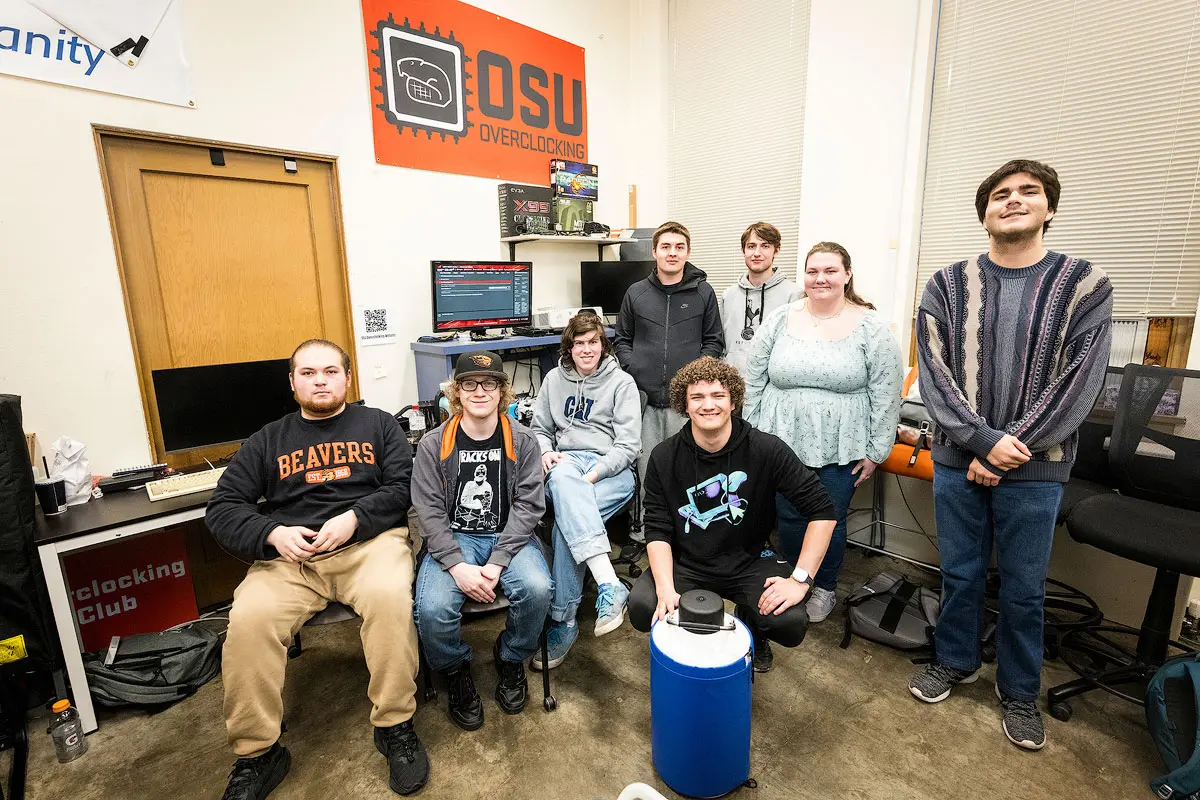
How Oregon State is building the future of semiconductor talent
Latest episodes
Dive into the newest episodes exploring cutting-edge topics in technology.
.jpg)
We got you covered
Dive into a range of programs and benefits designed to propel you forward in your tech journey.









Join our movement in the world of tech
Become a part of our mission to empower the tech community in Oregon and SW Washington.